
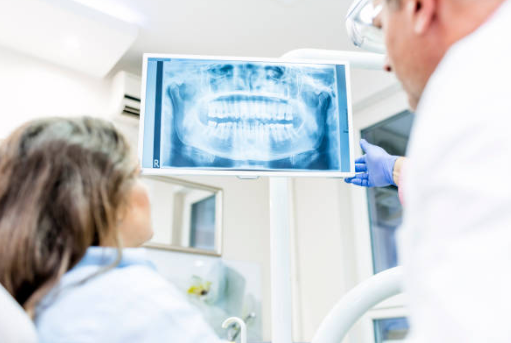
Oral pathology focuses on the diagnosis and evaluation of diseases affecting the mouth, jaw, gums, and surrounding oral tissues. While many patients associate oral health primarily with teeth, oral pathology involves a much broader range of conditions — including soft tissue abnormalities, cysts, infections, precancerous changes, and oral cancer.
Many oral pathology concerns begin with subtle symptoms such as a sore that does not heal, unexplained swelling, or persistent discomfort. Because these issues are often painless in the early stages, professional evaluation is important for accurate diagnosis and timely treatment.
At New York Oral & Facial Surgery, oral pathology services are designed to identify abnormalities early and provide patients with clear, comprehensive care.
What Is Oral Pathology?
Oral pathology is the specialized field focused on diagnosing diseases and abnormalities involving:
-
The soft tissues of the mouth
-
The tongue and gums
-
The jawbone
-
Salivary glands
-
Oral mucosa and surrounding structures
-
Related lymph nodes and tissues
Patients often seek evaluation when they notice symptoms such as:
-
Persistent mouth sores
-
Red or white patches inside the mouth
-
Jaw swelling
-
Unexplained bleeding
-
Chronic oral or facial pain
-
Difficulty swallowing
-
Lumps or tissue changes
While many oral abnormalities are benign, some may indicate more serious underlying conditions that require prompt attention.
Why Early Evaluation Matters
Many serious oral health conditions develop gradually and may not cause pain initially. As a result, patients sometimes delay evaluation, assuming symptoms will resolve on their own.
Early diagnosis is one of the most important factors in successful treatment outcomes.
Identifying abnormalities early may allow for:
-
Less invasive treatment
-
Faster recovery
-
Reduced risk of complications
-
Improved long-term prognosis
-
Earlier detection of oral cancer or precancerous changes
Routine oral examinations and prompt evaluation of unusual symptoms play a critical role in maintaining long-term oral health.
Advanced Diagnostic Techniques in Oral Pathology
Modern oral pathology relies on advanced diagnostic technology to improve accuracy and detect abnormalities earlier than ever before.
Digital Imaging and 3D Scans
High-resolution imaging allows oral surgeons to evaluate bone structure, hidden lesions, cysts, and deeper tissue abnormalities that may not be visible during a standard clinical examination.
Biopsy Procedures
When an area appears suspicious, a small tissue sample may be removed and sent to a pathology laboratory for microscopic evaluation. A biopsy provides the most accurate method of determining the nature of abnormal tissue changes.
Fluorescence Screening
Some oral pathology evaluations incorporate specialized light-based technology that helps identify tissue abnormalities that may not be visible under normal lighting conditions.
Histopathologic Analysis
After a biopsy is performed, oral pathologists examine the tissue at the cellular level to establish a definitive diagnosis and guide treatment planning.
Common Conditions Evaluated in Oral Pathology
Oral surgeons and pathology specialists frequently evaluate and treat conditions such as:
-
Benign oral cysts
-
Chronic oral ulcers or lesions
-
Precancerous tissue changes
-
Oral tumors
-
Infections affecting oral tissues or bone
-
Chronic inflammatory conditions
-
Jaw abnormalities and bone lesions
Not every abnormality is serious, but thorough evaluation is essential to rule out more significant conditions.
The Role of Oral Cancer Screenings
Oral cancer screenings are an important part of preventive oral healthcare.
During a screening, the oral surgeon carefully examines the:
-
Tongue
-
Gums
-
Lips
-
Cheeks
-
Floor of the mouth
-
Throat and surrounding tissues
The goal is to identify abnormal tissue changes as early as possible, often before symptoms become severe.
At New York Oral & Facial Surgery, oral cancer screenings are incorporated into comprehensive evaluations to support early detection and proactive care.
When Diagnosis Leads to Treatment
Once a diagnosis is established, treatment recommendations depend on the specific condition identified.
Treatment may include:
-
Monitoring and follow-up evaluations
-
Medication management
-
Surgical removal of cysts or lesions
-
Biopsy or excision procedures
-
Coordination with additional medical specialists when necessary
Experienced oral surgeons use both clinical expertise and diagnostic imaging to determine when observation is appropriate and when surgical intervention is necessary.
Why Specialized Experience Matters
Oral pathology requires more than a routine dental examination. Detecting subtle tissue changes and identifying potentially serious conditions demands advanced training and experience.
An experienced oral and maxillofacial surgeon understands how oral diseases progress and how to recognize early warning signs that may otherwise go unnoticed.
This specialized expertise is especially important when evaluating conditions involving deeper tissues, bone structures, or potentially precancerous lesions.
A Patient-Centered Approach
Diagnostic uncertainty can be stressful for patients, particularly when symptoms persist without explanation.
Clear communication and compassionate care are important parts of the diagnostic process. Patients should understand:
-
What is being evaluated
-
Why additional testing may be necessary
-
What treatment options are available
-
What to expect moving forward
Providing patients with clarity and guidance helps reduce anxiety and supports informed decision-making throughout treatment.
Final Thoughts
Oral pathology plays a critical role in identifying and treating conditions that affect the mouth, jaw, and surrounding tissues. Many oral health concerns begin with subtle changes that may appear minor initially but can become more serious if left untreated.
Early evaluation allows for more accurate diagnosis, more conservative treatment when appropriate, and improved long-term outcomes.
If you notice persistent sores, swelling, unexplained pain, or changes in oral tissues, scheduling an evaluation with an experienced oral and maxillofacial surgeon is an important step toward protecting your oral health.
FAQ
What does an oral pathology specialist do?
An oral pathology specialist diagnoses and evaluates diseases and abnormalities affecting the mouth, jaw, gums, and surrounding tissues. This may include infections, cysts, lesions, tumors, and precancerous conditions.
What happens during an oral cancer screening?
An oral cancer screening involves a thorough examination of the mouth, tongue, gums, cheeks, throat, and surrounding tissues to identify any abnormal changes or suspicious lesions.
What is a biopsy?
A biopsy involves removing a small tissue sample from an area of concern for laboratory analysis. This helps determine whether the tissue is benign, inflammatory, precancerous, or cancerous.
When should I seek evaluation for oral pathology concerns?
You should seek evaluation if you experience persistent sores, swelling, unexplained pain, tissue changes, bleeding, or symptoms that do not improve within two weeks.