
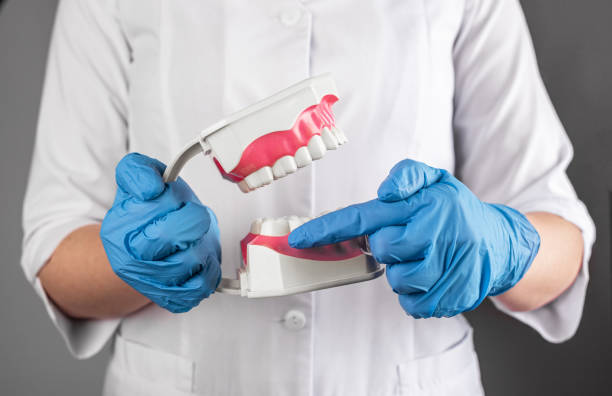
Most people know wisdom teeth come in during their late teens or early twenties, but few really understand the trouble they can bring. Those last molars can get stuck, grow at weird angles, or only partially break through your gums. That is usually when impacted wisdom teeth extractions become part of the conversation, because once those teeth stop moving the way they should, problems tend to build quietly. Pain is not always the first warning, and if you wait, you could be setting yourself up for a mess you did not need.
You might think something that does not hurt much is not a big deal. The truth is, trouble builds slowly and quietly until it suddenly is not small anymore. What could have been a simple visit can turn into swelling, pressure, infection, or a much more complicated procedure later.
Why Impacted Wisdom Teeth Are a Problem
Impacted wisdom teeth cause issues in ways most people never think about. First, they push on your other teeth. That pressure can mess with your bite, crowd your smile, and even undo years of work you invested in straightening your teeth. I know plenty of people who looked in the mirror one day and realized something shifted because those last molars were pushing where they should not.
Then there is the cleanup problem. Partially erupted teeth create hidden pockets in your gums that trap food, bacteria, and plaque. This is a direct setup for infections and gum disease. You brush and floss all you want, but you can never get those spots clean, and that is where bacteria thrive.
Sometimes cysts form around an impacted tooth. These fluid pockets can slowly eat away at your jawbone or harm nearby teeth. If you ignore it long enough, more serious growths can form, and then you are talking about a bigger surgical issue that could have been avoided.
Common Symptoms That Indicate Trouble
You do not have to wait until you feel intense pain to know something is wrong. Watch for these signs:
- Pain or tenderness at the back of your mouth
- Swelling around your gums or jaw
- Bad breath or a constant bad taste in your mouth
- Red or bleeding gums
- Trouble opening your mouth fully
- Headaches or jaw aches
Even mild symptoms should prompt a check‑in with an oral maxillofacial surgeon in NYC. Getting these things checked early can make all the difference in how everything turns out down the road.
The Role of Wisdom Teeth Extractions
Getting impacted wisdom teeth removed is often the safest, most sensible move. Impacted wisdom teeth extractions are routine for skilled oral surgeons, but that does not mean they are something you should take lightly. These are experienced oral surgeons who know how to minimize pain and make recovery easier.
Surgeons now use modern approaches, like Advanced Platelet-Rich Fibrin, to help gums and bone heal faster and stronger. That stuff essentially helps your body repair itself better after surgery. It makes recovery smoother and gets you back to normal life quicker. The idea is to remove the problem before it becomes pain, infection, or a major dental disaster.

Sedation Options Make Surgery Easier
Let’s be honest. Surgery of any kind makes people nervous. Thankfully, there are plenty of oral surgery sedation options that make the actual procedure way easier to handle. Sedation for oral surgery lets you stay calm and pain‑free while the oral surgeon does the work.
Whether it is IV sedation, oral medication, or nitrous oxide, sedation oral surgery makes the experience smooth and manageable. Some people doze off and barely remember anything. For anyone who is anxious or has multiple teeth that need removal, sedation makes the whole thing feel way less intimidating.
Recovery and Aftercare
After wisdom teeth removal in NYC, the first few days matter. Follow what your oral surgeon tells you. Keep the area clean, eat soft foods, and let your body rest. Most people are back to normal in a few days. Full healing takes a couple of weeks, but a lot of the discomfort is short lived if you take care of yourself.
Using advanced help like Advanced Platelet-Rich Fibrin can cut down on swelling and make tissues grow back strong. Your surgeon will tell you what to do and how to avoid common issues so your mouth heals the right way.
Why Timing Matters
Waiting too long to remove impacted wisdom teeth can make surgery harder and recovery slower. As you get older, the roots grow fuller, and the bone gets denser. That means it gets tougher to pull them out and tougher for you to heal after. Getting evaluated early by an oral maxillofacial surgeon in NYC keeps things simpler. You get a plan, you know what you are dealing with, and you avoid the late‑night pain, infection, and emergency stress that comes with waiting.
When to Seek Help
Recurring pain, swelling, or trouble chewing are not normal. If you are brushing off those problems, you are only delaying what needs to be handled. Ignoring impacted wisdom teeth can lead to infections, gum disease, and real damage to the teeth beside them. Talking to a skilled oral surgeon ensures you get a solid plan before the problem gets worse.
Take Action for Your Oral Health
At New York Oral & Facial Surgery, the team specializes in wisdom tooth removal treatment and offers safe, effective extractions. They also provide oral surgery sedation so you are comfortable and calm through the procedure. Whether it is one tooth or multiple extractions, they know how to handle it with skill and care.
Stop waiting until it hurts. Schedule a consultation with New York Oral & Facial Surgery and take control of your oral health today.
[ Schedule Your Consultation ]
FAQs
Can wisdom teeth cause overcrowding if they are not extracted?
Yes, they can. In cases where the wisdom teeth are formed with little space, they can easily push the molars ahead of them. This pressure may cause crowding, difficulty in cleaning the teeth, and occasionally alignment, particularly where there is an impact or sideways growth of the affected tooth.
Are wisdom teeth more likely to develop cavities?
Yes, mostly because they sit so far back that cleaning them properly is difficult. If a wisdom tooth only partly erupts, food and bacteria collect around it easily, which raises the risk of decay on both the wisdom tooth and the neighboring molar.
Can untreated wisdom teeth cause infections?
Absolutely. A partially erupted wisdom tooth leaves an opening where bacteria can settle under the gum. That often leads to swelling, tenderness, bad breath, and pain near the back of the mouth. If ignored, the infection can spread deeper into the surrounding tissue.
Can impacted wisdom teeth lead to jaw cysts or damage?
Yes, and that is one reason oral surgeons monitor them closely. A cyst can form around an impacted tooth and slowly damage nearby bone, nerves, or teeth. It may not hurt at first, which is why early imaging matters.