If you’ve been told you need a dental implant in your upper jaw and someone mentioned a sinus lift bone graft, it can sound a bit intense at first. Most people don’t expect bone to be part of the conversation when they’re just trying to replace a missing tooth.
But here’s the simple truth. In many upper jaw cases, a sinus lift bone graft is what makes implants actually possible and stable long term.
Let’s break it down in a real, no-nonsense way.
Why the upper jaw is different
The upper back jaw sits right under your sinus cavities. These are empty air spaces in your skull. When teeth are lost in that area, the bone naturally starts to shrink over time. On top of that, the sinus space can slowly expand downward.
So what happens is simple. You end up with less bone height than what is needed to hold a dental implant securely.
That’s where a sinus lift for implant treatment comes in.
What a sinus lift bone graft actually does
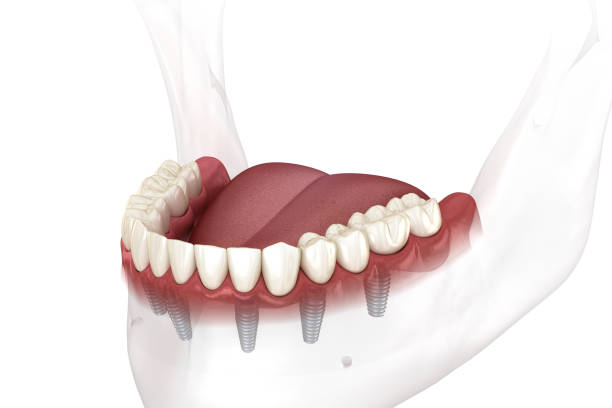
A sinus lift bone graft is a procedure that adds bone to the upper jaw, right under the sinus area. The goal is to create enough solid structure so a dental implant has something strong to anchor into.
During a bone graft sinus lift procedure, the sinus membrane is gently lifted upward. Then, bone graft material is placed into the space below it. Over time, your body actually blends this graft with your natural bone.
It sounds complicated, but in reality, it’s a controlled and very routine surgical step for experienced oral surgeons.
Without this step, many upper jaw implants would fail or not even be possible in the first place.
Why is it often necessary for implants
A lot of patients ask why they can’t just “go straight to the implant.”
The answer comes down to stability.
Dental implants need a certain amount of bone height and density to stay secure. If the bone is too thin, the implant won’t integrate properly. It can loosen, fail, or cause long-term issues.
A sinus lift and bone graft solve that problem by rebuilding the foundation before the implant goes in.
Think of it like reinforcing the ground before building a house. You don’t skip that step if you want it to last.
At New York Oral & Facial Surgery, this is a very common part of upper jaw implant planning, especially for patients who have been missing teeth for a while or have experienced bone loss.
What the procedure actually feels like
Most people are surprised by how straightforward the process is.
You’re numbed completely, so you don’t feel pain during the bone graft sinus lift procedure. Some patients may also choose sedation depending on comfort level.
The surgeon makes a small opening in the bone, carefully lifts the sinus membrane, and places the graft material in the space. Then everything is closed up to heal.
The whole idea is precision, not force. It’s controlled work done in a very specific space.

Healing and sinus lift bone graft recovery
Recovery is where most of the questions come up.
The sinus lift bone graft recovery period is usually a few days of mild discomfort, not severe pain. You might feel pressure in the upper jaw or some swelling, but it’s manageable with medication and proper care.
The real healing happens over the next few months. The graft material gradually becomes part of your natural bone. This is what creates the strong base needed for implants.
During this time, you’re advised to avoid blowing your nose hard, heavy lifting, or anything that increases sinus pressure. These small precautions help protect the area while it heals.
Most patients are surprised at how normal life feels after the first week or so.
What aftercare actually looks like
Good healing depends on how well you follow instructions after surgery.
After care for dental implants and sinus grafts is pretty simple, but it matters a lot. You’ll usually be told to:
-
- Keep your head slightly elevated while resting
-
- Avoid smoking, since it slows bone healing
-
- Stick to soft foods for a short period
-
- Take medications exactly as prescribed
-
- Avoid disturbing the surgical area with pressure or force
Nothing extreme, just basic care that gives your body the best chance to heal properly.
If anything feels off, like unusual pressure or prolonged discomfort, it’s important to get it checked early instead of waiting.
Why experience matters here
This type of surgery is very technique-dependent. The sinus area is delicate, and precision matters more than anything else.
That’s why choosing a team that does this regularly makes a big difference. At New York Oral & Facial Surgery, these procedures are a core part of what they do, not a rare add-on.
That experience helps reduce complications and improve long-term implant success.
Final thoughts
A sinus lift bone graft might sound like a big step, but in reality, it’s often the reason upper jaw implants work so well. Without it, many patients simply wouldn’t be candidates for implants at all.
It rebuilds what time or bone loss has taken away, creating a stable foundation for a long-lasting solution.
If you’re dealing with upper jaw tooth loss and wondering why extra steps are needed, this is usually it. It’s not about making things complicated. It’s about making sure the result actually lasts.
To understand your options or see if you need a sinus lift and bone graft, it’s best to get evaluated by a specialist who deals with these cases regularly.
New York Oral & Facial Surgery can walk you through the process in detail and help you figure out exactly what your situation needs, without overcomplicating it.
FAQs
How long does it take to recover from a bone graft?
Most people heal enough to get back to normal daily routines within a few days. The soft tissue closes in a couple of weeks, but the actual bone takes longer. Full bone healing usually takes around 3 to 6 months, and in some cases, like a sinus lift, it can take up to 6 to 9 months before an implant is placed.
Is a bone graft always necessary for dental implants?
No, not always. It depends on how much natural bone is left in the area. If there’s enough healthy bone to hold the implant securely, you don’t need a graft. But if bone loss has happened over time, a graft is often needed to rebuild a stable base before placing the implant.
Is a sinus lift necessary for implants?
Only when the upper jaw doesn’t have enough bone height, in the back upper jaw, the sinus sits close to the tooth roots, so that the bone can be too thin for implants. A sinus lift raises the sinus floor and adds bone so the implant can anchor properly and stay stable long term.
What is the aftercare for dental implants?
Aftercare for dental implants includes resting for the first 24–72 hours, using ice packs for swelling, and eating only soft foods. Avoid smoking, alcohol, and disturbing the area. After 24 hours, start gentle saltwater rinses and maintain soft brushing. These steps support healing and help the implant properly fuse with bone.