
Making the decision for full mouth tooth extractions does not happen overnight. It builds through years of discomfort, repeated treatments, and hoping the next fix finally holds. Pain lingers. Frustration grows. Eventually, clarity replaces uncertainty, and the focus shifts from temporary solutions to long-term health.
With guidance from an oral surgeon in NYC patients trust, choosing this path reflects control, not defeat. It shows awareness. A willingness to stop chasing short-term relief and start planning for stability, comfort, and confidence that lasts beyond the next appointment.
This blog walks through what comes next. Why the decision matters. What complications you avoid. The difference between full arch rehabilitation and traditional dentures. And how restoring your smile becomes a forward-looking step, not a setback.
A Necessary Sacrifice
Choosing full mouth tooth extractions was not an impulsive choice. It was a measured decision made to protect your long-term health. Many patients arrive here after dealing with advanced decay, recurring infections, failing restorations, gum disease, or complex issues like impacted canine extraction that compromised surrounding teeth and bone.
Advanced decay, chronic infections, and progressive gum disease are some of the conditions that gradually dominate day-to-day life. Stability can be impossible because of structural problems. In other instances, that on the one hand cannot be taken out without complications, and it results in continued pressure that ruins adjacent teeth and bone.
By moving forward with extractions, you avoided a range of worsening complications. These often include persistent pain, repeated infections, increasing bone loss, and the emotional toll of never knowing when the next issue will appear. Continued repairs can feel endless, with results that never fully hold.
This was not an emotional reaction. It was a rational decision. You looked at the pattern. You understood the risks. You chose to stop managing symptoms and start addressing the cause. That shows clarity and decisiveness.
Relief is common at this stage. So is uncertainty. Both make sense. The next phase is about rebuilding in a way that supports comfort, confidence, and stability.
Full Arch Rehabilitation
Full arch rehabilitation is designed to restore an entire arch of teeth using dental implants. These implants are placed into the jawbone and support fixed replacement teeth that remain securely in place.
From a physical standpoint, the benefits are substantial. Dental implants integrate with bone, helping preserve jaw structure and facial shape. Bite strength improves. Chewing feels more natural. Speaking becomes easier and more controlled.
There is also a powerful psychological benefit. Years of dental pain often create constant tension. Worry before meals. Self-awareness during conversations. Full arch rehabilitation helps resolve that lingering stress. Once the teeth feel stable and reliable, many patients experience a renewed sense of ease.
Looking forward, full arch rehabilitation supports important quality of life improvements, including:
- Greater confidence to smile
- The ability to enjoy foods again
- Increased comfort when communicating
- Better comfort and convenience compared to traditional dentures
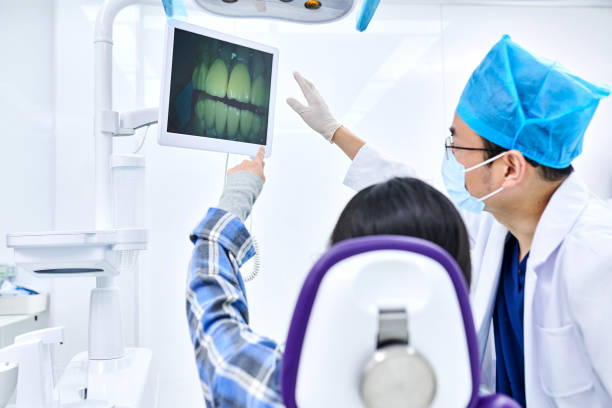
Treatment planning is often more streamlined than expected. Advanced imaging helps an oral surgeon in NYC plan implant placement accurately before treatment begins. This approach reduces uncertainty and supports predictable, long-term outcomes.

Traditional Dentures
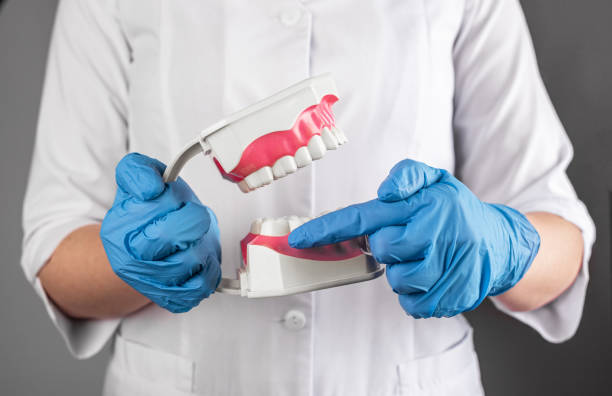
Traditional dentures are another option following full-mouth tooth extractions. They restore the appearance of a complete smile and offer basic chewing function. For some patients, dentures serve as an accessible or transitional solution.
There are also everyday considerations to keep in mind. Dentures rest on the gums instead of being anchored into bone. Because of this, fit and comfort can change over time. Stability may vary from day to day.
Common inconveniences associated with traditional dentures include:
- Ongoing fit and comfort challenges
- Dentures slipping during meals or conversation
- Time needed to relearn eating and speaking
- Reliance on glues and pastes for security
- Specialized cleaning and regular maintenance
Dentures can restore appearance, but they do not help in avoiding bone loss in the jaw. This may, over time, impact facial structure and require changes to ensure comfort and functionality. These realities affect long-term satisfaction among some patients.
The correct choice of restoration is determined by individual objectives, lifestyle requirements, and comfort expectations. Clear directions can alleviate the burden of making such a decision, instead of making it a burden.
The Time To Restore Your Smile Is Now
You already took a meaningful step by choosing full mouth tooth extractions. That decision required honesty and resolve. Now it is time to focus on rebuilding what comes next after a dental extraction for full mouth care plan.
Restoring your smile is about more than teeth alone. It is about daily comfort. Social confidence. Feeling at ease during simple moments like meals and conversations.
Working with an experienced oral surgeon in NYC, patients rely on this to help turn uncertainty into a clear plan. A consultation also provides you with guidance, solutions, and choices that help in meeting your long-term objectives as well as issues related to affected canine extraction healing.
Take the next step toward restoring your smile with New York Oral & Facial Surgery
Schedule Your Consultation
FAQs
What to expect after a full mouth extraction?
First few days: Expect swelling, soreness, bruising, and fatigue. The majority of the pain disappears after one week.
How long after a full mouth extraction can I eat normally?
You’ll start soft foods right away. Most people can gradually return to normal eating by about 2–3 weeks.
How long do gums take to heal after a full extraction?
Deep bone healing takes months, though closure of gum tissue typically occurs in 1-2 weeks.
How long do I need to rest after a tooth extraction?
Take it easy at first. Take a minimum of 24-72 hours to rest and do not be active to allow your body time to begin the healing process.