
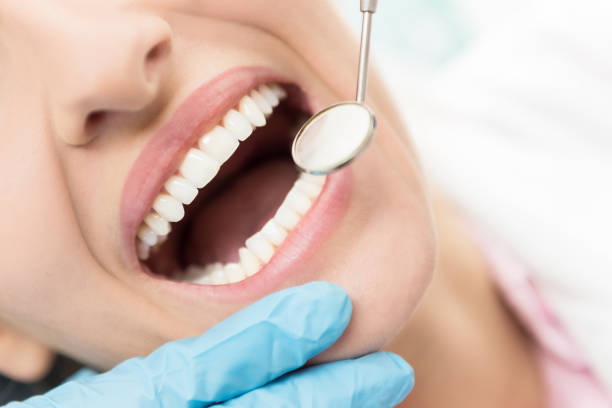
An impacted canine tooth is a common dental issue that can affect both the function and appearance of your smile. Although these teeth may remain hidden beneath the gums without causing immediate discomfort, they can create significant orthodontic and oral health problems if left untreated.
Fortunately, impacted canine surgery is a predictable and highly effective procedure when performed by an experienced oral and maxillofacial surgeon in NYC.
What Is an Impacted Canine?
The canine teeth — sometimes called “eyeteeth” — are the pointed teeth located beside your front teeth. They play an important role in guiding your bite, supporting proper tooth alignment, and maintaining facial aesthetics.
Typically, canine teeth erupt between ages 11 and 13. In some cases, however, a canine tooth becomes trapped beneath the gum tissue or jawbone and is unable to emerge properly. This is known as an impacted canine.
Impacted canines may develop for several reasons, including:
-
Lack of space in the dental arch
-
Overcrowding
-
Abnormal tooth positioning
-
Delayed tooth eruption
-
Genetic factors
Because impacted canines are often painless, many patients are unaware of the issue until it is identified on dental X-rays or during orthodontic evaluation.
Why Impacted Canines Should Not Be Ignored
Canine teeth are among the most important teeth in the mouth. They help stabilize the bite, support adjacent teeth, and contribute to balanced chewing function.
When an impacted canine is left untreated, it may lead to:
-
Shifting or crowding of nearby teeth
-
Damage to the roots of adjacent teeth
-
Bite misalignment
-
Gum disease or difficulty cleaning surrounding areas
-
Development of cysts around the impacted tooth
Early diagnosis allows for simpler treatment and helps prevent long-term complications.
What Happens During Impacted Canine Surgery?
Impacted canine surgery is designed to expose and guide the tooth into its proper position whenever possible.
Treatment often involves collaboration between an oral surgeon and an orthodontist. The exact approach depends on the location and angle of the impacted tooth, but the procedure commonly includes:
-
Local anesthesia and, if desired, sedation for comfort
-
A small incision in the gum tissue to expose the impacted tooth
-
Removal of a small amount of surrounding bone when necessary
-
Placement of a small orthodontic bracket and chain on the tooth
-
Closure of the surgical site with sutures
After surgery, the orthodontist gradually guides the tooth into alignment using braces or other orthodontic appliances.
Most procedures are completed in under an hour, and patients return home the same day.
Signs You May Need Treatment
Not every impacted canine requires immediate surgery, but treatment is often recommended when the tooth is:
-
Causing crowding or orthodontic problems
-
Pressing against neighboring teeth
-
Associated with root damage
-
At risk for infection or cyst formation
-
Preventing proper eruption of permanent teeth
Impacted canines are frequently diagnosed during adolescence, though adults can also require treatment.
What Happens If You Delay Treatment?
In select cases, an impacted canine can be safely monitored with periodic imaging and examinations. However, delaying treatment when problems are already developing may lead to more complex issues over time.
Potential complications include:
-
Root damage to nearby teeth
-
Increased crowding or shifting
-
More extensive orthodontic treatment later
-
Bone loss or cyst formation
-
Greater difficulty repositioning the tooth successfully
Addressing the problem early typically provides the best long-term outcome.
Recovery After Impacted Canine Surgery
Most patients experience a relatively smooth recovery following surgery.
Common postoperative symptoms include:
-
Mild swelling
-
Tenderness or soreness
-
Minor bleeding during the first 24 hours
Recovery instructions usually include:
-
Applying ice packs to reduce swelling
-
Eating soft foods for several days
-
Avoiding strenuous activity initially
-
Taking prescribed or over-the-counter medications as directed
Many patients return to normal daily activities within a few days.
Are There Risks?
As with any surgical procedure, impacted canine surgery carries some potential risks, although serious complications are uncommon.
Possible risks may include:
-
Delayed healing
-
Infection
-
Irritation around the surgical site
-
Loosening of the orthodontic attachment
-
Rare injury to nearby teeth or structures
Choosing an experienced oral and maxillofacial surgeon helps minimize these risks and supports a more predictable outcome.
The Importance of Proper Diagnosis
Comprehensive imaging and evaluation are essential before treatment begins. Your oral surgeon will assess the position of the impacted tooth, surrounding bone, adjacent teeth, and any related pathology to create a precise treatment plan.
In some cases, evaluation may also include screening for cysts or other conditions affecting the jaw and surrounding tissues.
Schedule an Evaluation
If you or your child has an impacted canine tooth, early evaluation can help prevent unnecessary complications and preserve long-term oral health.
At New York Oral & Facial Surgery, our team provides advanced diagnostic imaging and personalized surgical care to help patients achieve healthy, properly aligned smiles.
FAQ
What is impacted canine surgery?
Impacted canine surgery is a procedure used to expose and help guide a canine tooth into its proper position when it is trapped beneath the gums or jawbone.
Is impacted canine surgery painful?
The procedure itself is performed under local anesthesia and often sedation, so patients remain comfortable during treatment. Mild soreness and swelling afterward are common but typically manageable with medication and home care.
How long does recovery take?
Most patients recover within several days to one week, although orthodontic movement of the tooth may continue for several months afterward.
Can impacted canines correct themselves without surgery?
In some cases, especially in younger patients, early orthodontic intervention may help guide eruption. However, many impacted canines require surgical exposure and orthodontic treatment to prevent complications.