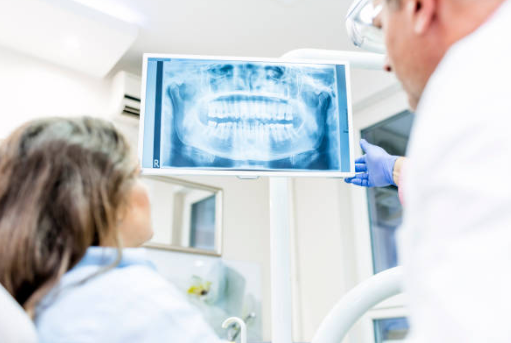
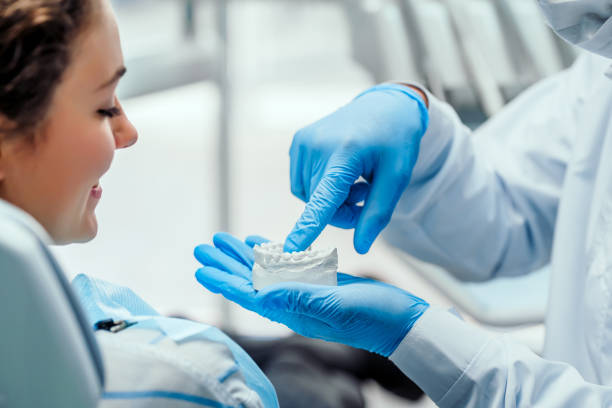
Losing a tooth is not just about the gap you see. What happens inside the bone right after matters even more. That is where dental bone graft after extraction comes into play. It helps keep the jaw stable and stops it from shrinking too quickly.
One of the most common ways this is handled is through socket preservation. It protects the empty space and sets things up properly if you are planning for a dental implant later.
What socket preservation actually means
Socket preservation is exactly what it sounds like. After a tooth is removed, the empty space is filled with a bone material to keep the area stable.
It is not fancy or complicated. It is more like damage control done early.
When a tooth comes out, the jawbone loses its main point of support. Without that pressure and stimulation, the bone starts to fade away. That is just how the body works. Socket preservation slows that down by filling the space and giving the bone something to grow into.
When people hear the dental socket preservation procedure, it is about protecting the foundation before it weakens.
Why does bone loss happen after extraction
Here is what catches most people off guard. The bone does not stay the same after a tooth is pulled. It starts shrinking pretty quickly, sometimes within weeks.
Your body is efficient. If something is no longer being used, it starts to reabsorb it. No tooth means no stimulation, and the bone slowly breaks down.
That is why dentists often recommend a bone graft after tooth extraction right away instead of waiting to “see what happens.” Waiting usually means losing bone you could have saved.
And once that bone is gone, getting it back is not simple. It takes more work, more time, and more cost.
How the procedure works
The actual process is not as intimidating as it sounds.
Once the tooth is removed, the area is cleaned out carefully. Then, a bone graft material is placed directly into the empty socket. This acts like a placeholder for your natural bone.
Think of it like scaffolding for a building that is still under construction.
A protective layer is usually placed over it so everything stays stable while healing begins. Then the gum is closed up.
Over time, your body slowly replaces that graft material with real bone. It is not instant, but it is steady and reliable.
Most people go home the same day and are surprised by how simple it feels. It is more about healing than anything else.
Why it matters for dental implants
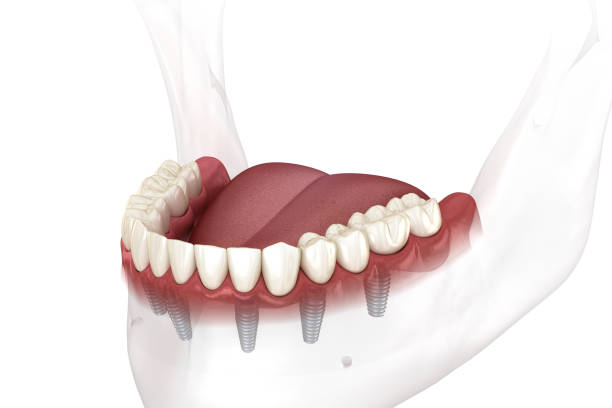
If you are planning a dental implant, this step is doing the heavy lifting in the background.
A dental bone graft after extraction helps maintain the height and width of your jawbone. That matters because implants need solid support to stay stable long term.
Without enough bone, implants can become tricky or even impossible without extra surgery.
Socket preservation keeps things clean and predictable. Instead of rebuilding a damaged site later, you are protecting it from damage in the first place.
That is why socket preservation for dental implants is often recommended early, not later, when things get complicated.

What about cost
Let’s talk about socket preservation cost because people always ask.
It varies. It depends on the tooth, the location, and the type of graft used. Some cases are simple, others are more involved.
But here is the honest part. It is almost always cheaper than fixing bone loss later.
If you skip it and the bone shrinks, you might need a larger graft down the line. That is more surgery, more recovery, and more money.
So it is not really an “extra” cost. It is about preventing a larger bill you do not want later.
Recovery and what to expect
Recovery is usually pretty manageable.
You might feel some soreness or swelling for a few days, nothing extreme. Most people get by with basic pain relief and normal rest.
The key is not messing with the area while it heals. Soft foods help, and you want to avoid pressure on that side of your mouth for a bit.
Over the next few months, the graft slowly turns into natural bone. You will not feel it happening, but it is doing the work in the background.
Once it is fully healed, the area is strong enough for an implant without extra rebuilding in many cases.
Socket preservation in Manhattan and specialist care
In busy cities like Manhattan, dental implants are common, and so is early bone loss after extractions.
That is why clinics that focus on bone grafting in Manhattan often recommend socket preservation right away instead of waiting.
Because once the bone starts to shrink, you are no longer just placing an implant. You are rebuilding first, then placing the implant.
That is a longer road.
At New York Oral & Facial Surgery, the approach is simple. Fix the problem early so you do not have to chase it later. In many cases, socket preservation is done right after extraction to keep everything stable for future implant work.
New York Oral & Facial Surgery also handles more complex extractions where bone support is already at risk. The goal is always the same. Keep the structure strong so future treatment stays simple.
Final thoughts
Socket preservation is one of those things people do not think about until they are already dealing with bone loss. By then, it is usually more complicated.
Done early, it keeps the jawbone stable, protects your options, and makes implants much easier later on.
If a dental implant is even on your radar, this is worth asking about right away. It is a small step that can save you from a much bigger process down the line.
And if you are figuring out your next step, New York Oral & Facial Surgery can help you understand whether a dental socket preservation procedure makes sense for your situation and how it fits into your implant plan without overcomplicating things.
Talk to a Specialist Today
FAQ
What is socket preservation?
Socket preservation is basically a bone graft placed right after a tooth comes out. The goal is simple: keep the jawbone from shrinking and losing shape. The graft fills the empty space and works like a support system so new bone can grow in properly, especially if you are planning dental implants later.
Do you always need socket preservation before a dental implant?
Not always, but it is often recommended. Once a tooth is removed, the bone naturally starts to break down because it is no longer being used. Socket preservation slows that process down and helps keep the bone stronger, which makes placing a dental implant easier and more predictable later on.
How long does healing take after socket preservation?
On average, healing takes about 3 to 6 months. The gum usually closes up in the first few weeks, but under the surface, the real work is still happening. The graft slowly blends in and turns into natural bone, building a solid base that can support a future dental implant.
Is socket preservation painful?
Most people say it is not really painful, just a bit uncomfortable. The area is fully numbed during the procedure, so you do not feel anything while it is being done. Afterward, some soreness and swelling for a few days is normal, but it is usually easy to manage with basic pain relief and care instructions from your dentist.