

Losing a tooth sucks. Plain and simple. Maybe it hurt, maybe it just broke off. Either way, most people think, “Cool, it’s gone. I’m done.” But that’s not how your mouth works. When a tooth comes out, your jaw doesn’t just chill. The bone underneath starts to shrink. Fast. That’s why oral surgeons in NYC push for dental socket preservation. It’s not fancy fluff—it actually matters.
What Is Dental Socket Preservation?
The empty socket left behind after a tooth extraction is fragile. Your body sees it as “space that doesn’t belong” and starts breaking down the bone. That’s natural, but it can create problems later. Your smile might change. Teeth can shift. And if you’re thinking about a dental implant later, the lack of bone can make everything harder.
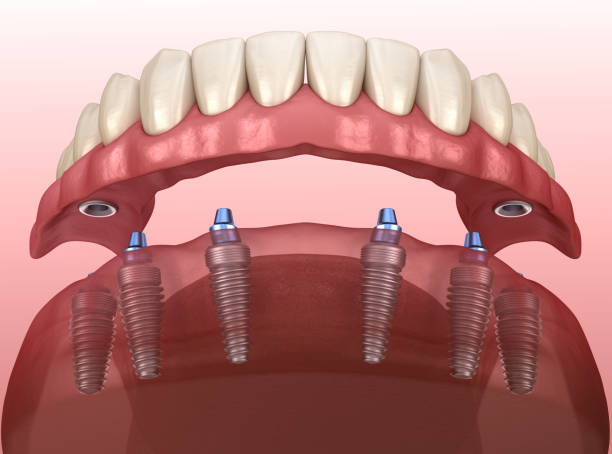
Dental socket preservation is simple in theory. The oral surgeon cleans the socket, puts in bone graft material, sometimes covers it with a membrane, and closes it up. That graft acts like scaffolding. Your bone rebuilds around it naturally. It keeps your jaw strong. It keeps your options open.
Why Oral Surgeons Say You Need It
Keep the bone strong
Without socket preservation, the bone starts shrinking almost immediately. Your gums can collapse. Your face can even change shape a bit over time. Nobody wants that. Keeping the bone intact protects your smile and keeps your mouth healthy.
Make implants easier
If you ever want a dental implant, having enough bone is critical. No bone, no implant—or at least not without a more complicated graft later. Socket preservation gives your future self a huge head start.
Heal smarter, not slower
The graft helps your body heal in a predictable way. It reduces complications and avoids surprises. Your mouth doesn’t have to guess how to rebuild itself.
Protect nearby teeth
Bone loss doesn’t just affect the empty spot. It can weaken neighboring teeth, cause shifting, and mess with your bite. Preserving the socket keeps everything stable.
The Procedure Is Straightforward
Most oral surgeons do socket preservation right after the tooth comes out. Sometimes it’s done in the same appointment. Here’s the rundown:
- Clean the socket thoroughly
- Place bone graft material
- Cover with a membrane if needed
- Stitch it up to keep it protected
It usually takes 20–40 minutes. Local anesthesia is enough. Swelling and mild discomfort are normal. Your oral surgeon gives clear instructions, so healing is smooth.
Who Should Get Socket Preservation
Not everyone needs it, but most oral surgeons in NYC will tell you it’s smart to consider.
- People planning a dental implant later
- Patients who want to preserve the jawbone and facial structure
- Anyone at higher risk of bone loss (age, gum disease, previous extractions)
Even if you’re not sure about implants, it’s cheaper and easier to protect the bone now than try to rebuild it later.

Recovery Tips
After socket preservation, treat the area gently. Rinse gently, don’t poke it with your tongue, and avoid hard foods for a few days. Swelling and soreness are normal. Most people get back to normal activities in a few days. The bone itself continues to strengthen over months.
Long-Term Benefits
Socket preservation is about more than just the empty hole. It’s about protecting your future options. Preserved bone means:
- Easier dental implants
- Fewer complications later
- A stronger jaw
- Your smile has looked natural for years
It’s preventive care that pays off. Oral surgeons see it as a small step that saves big headaches later.
Why New York Oral and Facial Surgery
At New York Oral and Facial Surgery, Dr. Adam Hershkin and Dr. Jason Cho specialize in procedures like socket preservation. They focus on making surgery comfortable, recovery predictable, and results lasting. From wisdom teeth to bone grafts to dental implants, they’ve seen how protecting the socket changes everything for patients.
If you’ve had a tooth removed or are planning extractions, now’s the time to act. Don’t let your jaw lose ground. Call New York Oral and Facial Surgery to see if socket preservation is right for you. It’s a small step now that saves a lot of trouble later.
Conclusion
Losing a tooth is stressful, but leaving the empty socket alone can make it worse. Dental socket preservation protects your bone, keeps your smile intact, and makes future dental work easier. It’s straightforward, effective, and your oral surgeon in NYC recommends it for good reason. Don’t skip it. Protect your mouth, protect your future.
Schedule your consultation today with New York Oral and Facial Surgery and keep your smile strong for years to come.
[ Protect Your Smile – Book Now ]
FAQs
What is dental socket preservation?
It’s a simple idea: after a tooth gets pulled, your jaw starts shrinking in that spot. Socket preservation is where your oral surgeon fills the empty hole with bone graft material so the bone doesn’t melt away. It keeps your jaw strong and the spot ready for future work, like implants.
Why would my oral surgeon recommend it?
Because once a tooth is gone, the bone around it starts shrinking fast. That affects your smile, how your teeth line up, and can make replacement later much harder. Socket preservation slows bone loss and keeps your jaw in good shape, so later options aren’t a nightmare.
Does it hurt, and how long until I heal?
You won’t feel the procedure — it’s done under local anesthesia just like a pull. Afterwards, you might have soreness or mild swelling for a couple of days. Most people are back to normal in a few days. The bone rebuilds over a few months, not weeks.
Do I need it after every tooth removal?
Not every time, but a lot of the time. If you want a dental implant later or care about keeping your jaw strong and straight, it’s a smart move. Your oral surgeon will look at your bone and tell you if it’s worth doing.