
Most people don’t think about oral surgery until a dentist looks at an X-ray and says something isn’t right. Maybe a tooth isn’t coming in correctly. Maybe there’s damage under the surface. Suddenly, a simple dental visit turns into a conversation about seeing a specialist.
That’s usually when New York oral surgery enters the picture. It’s not always about something extreme. A lot of the time, it’s just the most effective way to fix a problem before it turns into a bigger one.
In a city like New York, oral surgeons treat these issues every day. Impacted teeth, jaw problems, infections, and missing teeth. Situations that need a skilled surgical approach to get things back on track.
Wisdom Teeth That Don’t Come In Properly
For many people, their first experience with oral surgery starts with wisdom tooth removal.
Wisdom teeth usually appear in the late teen years or early twenties. The problem is simple. Most mouths don’t have enough space for them.
When there isn’t room, wisdom teeth start doing strange things. They push sideways. They press into other teeth. Sometimes they stay stuck under the gums.
Dentists call this impaction.
Impacted wisdom teeth can cause swelling, pressure, infections, and damage to nearby teeth. Some people feel constant soreness in the back of their mouth. Others notice their gums getting irritated or inflamed.
At that point, removing the teeth becomes the best solution. That’s why wisdom teeth are one of the biggest reasons patients are referred for New York oral surgery.
Impacted Canine Teeth
Most people know about wisdom teeth. Fewer people realize that other teeth can get stuck, too.
Canines are the sharp teeth near the front of your mouth. They play an important role in how your bite works and how your smile looks.
When a canine tooth becomes trapped under the gums or inside the jawbone, it won’t come in on its own. Orthodontics alone usually can’t solve the problem.
That’s where impacted canine surgery comes in.
During this surgical procedure, the surgeon carefully exposes the hidden tooth and helps guide it into the correct position. It’s often done alongside orthodontic treatment so the tooth can slowly move where it belongs.
It sounds complicated, but for oral surgeons, it’s a routine part of oral & maxillofacial surgery in New York.
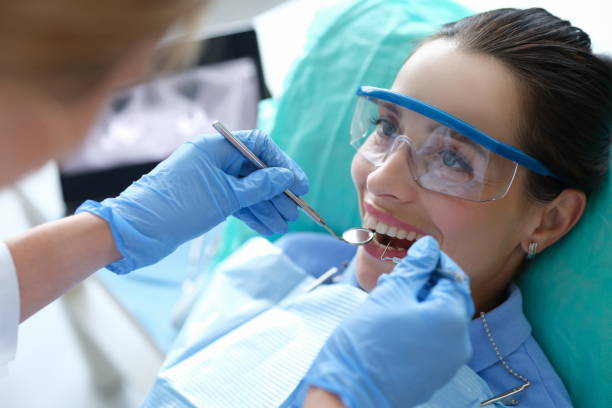
Dental Implants for Missing Teeth
Losing a tooth changes more than just your smile.
It affects the way you chew. It can shift nearby teeth. Over time, it can even cause the jawbone to weaken.
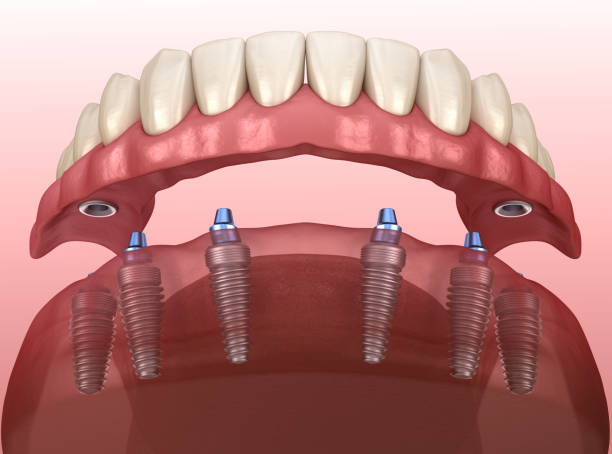
Dental implants are one of the strongest and most natural looking ways to replace missing teeth. But placing an implant isn’t like putting in a filling.
It requires a surgical approach.
A small titanium post is placed directly into the jawbone where the missing tooth used to be. That post eventually bonds with the bone and acts like a new tooth root.
Because of the precision involved, many patients are referred to an oral surgeon in NYC for implant placement. Surgeons are trained to handle everything from simple cases to more complex situations where bone support needs to be rebuilt.
Jaw Alignment Problems
Sometimes the problem isn’t a single tooth. It’s the way the jaws fit together.
There are individuals who naturally develop bite problems in which the upper and lower jaws fail to go into the correct position. This may result in headache, pains in the jaw, inabilities to chew, and speech problems.
In more serious cases, doctors may recommend orthognathic surgery. This is a surgical procedure that aims to realign the jaw to restore balance. This is a well-planned process that utilizes imaging technologies and is normally done in conjunction with orthodontic treatment.
Patients who go through this type of New York oral surgery often notice major improvements in comfort, bite function, and overall facial harmony.
Severe Tooth Damage or Infection
Dentists do everything they can to save natural teeth. Fillings, crowns, and root canals can solve a lot of problems.
But sometimes a tooth is simply too damaged.
It may not be possible to save a tooth due to a severe infection, a deep fracture, or extensive decay. With such, extraction is the safest alternative.
Most extractions are straightforward, but there are more complicated cases that will need the skills of an oral surgeon in NYC.
This can include teeth that are broken below the gumline, teeth surrounded by infection, or roots that are difficult to reach.
Surgeons handle these situations every day and are trained to perform them safely.
Bone Loss in the Jaw
The jawbone depends on teeth to stay strong.
When a tooth is missing for a long time, the bone in that area slowly starts to shrink. Many people don’t notice it happening until they consider dental implants later.
If the bone has weakened too much, implants may not have enough support.
This is where bone grafting comes in. Surgeons rebuild the missing bone so it can support a future implant.
Procedures like this are a routine part of the work done by oral surgery specialists of New York, helping patients restore both their smile and the strength of their jaw.
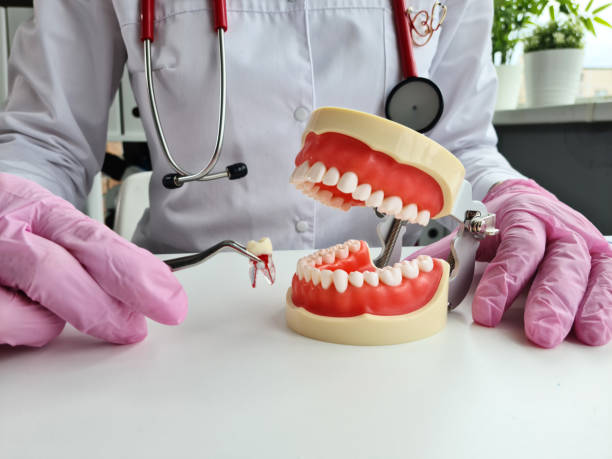
Facial Trauma and Structural Issues
Life in a big city moves fast. Accidents happen.
Sports injuries, falls, and other trauma can damage teeth, jaws, and facial bones. When those injuries affect the structure of the mouth or face, oral and maxillofacial surgeons in New York are often the specialists who step in.
They repair fractures, stabilize bones, and restore normal function.
It’s another reminder that oral surgery covers much more than people expect.
When Oral Surgery Becomes the Right Next Step
The phrase “oral surgery” can sound intimidating at first. But in reality, these procedures are designed to solve problems that regular dental care simply can’t fix.
From wisdom tooth removal to impacted canine surgery, from dental implants to orthognathic surgery, these treatments help restore comfort, function, and long term oral health.
If you’ve been referred for surgical treatment, getting the right care makes all the difference.
The team at New York Oral & Facial Surgery helps patients understand their options and move forward with confidence. If you’re dealing with pain, impacted teeth, missing teeth, or jaw problems, scheduling a consultation with New York Oral & Facial Surgery can help you take the next step toward a healthier, stronger smile.
FAQs
How long does recovery usually take after oral surgery?
It really depends on the procedure. Something like wisdom tooth removal usually brings a few days of swelling and soreness, then things start settling down. Most people feel noticeably better within three to five days. The area continues healing over the next couple of weeks while you slowly get back to normal.
What types of conditions are typically treated with oral surgery?
Oral surgery is indicated in cases where dental treatment is not fully effective in addressing a condition. The most common cases are impacted teeth, serious infections, missing teeth that require implants, loss of jawbone, and facial injuries. The most common oral surgeries are impacted canine removal and wisdom teeth removal.
Can oral surgery help correct jaw misalignment or bite problems?
Yes, and for some people it makes a huge difference. When the jaws don’t line up properly, chewing can feel awkward, and jaw pain can become constant. Orthognathic surgery repositions the jaw so the bite works the way it should, helping improve comfort, function, and overall balance.
Is oral surgery always done under general anesthesia?
Not always. Many procedures are done with local anesthesia and sedation, so you’re relaxed and comfortable the entire time. For more complex surgeries, deeper sedation or general anesthesia may be recommended. The goal is simple. Keep you comfortable while the surgeon focuses on the work.