
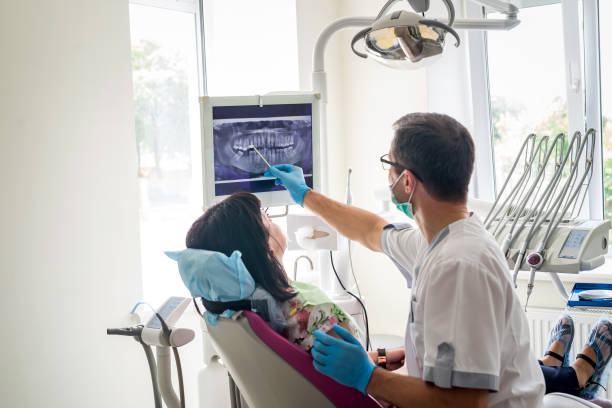
You’ve probably felt it before—the weird pressure, the dull throb, or the sharp jab somewhere in your jaw that just won’t quit. Most of the time, it’s caused by impacted teeth. These are the teeth that, for whatever reason, don’t have enough room to come in properly. Wisdom teeth are the usual culprit. Most adults have 28 teeth, but add four more in the back, and suddenly your mouth is crowded.
Impacted teeth can grow sideways, press on neighbors, or stay trapped under the gums. That pressure can make chewing a pain, talking annoying, and even smiling uncomfortable. Swelling, headaches, and radiating jaw pain aren’t uncommon. And here’s the kicker: leaving it untreated can snowball into infections, misaligned teeth, or long-term jaw problems.
Seeing a mouth surgeon early can save you a lot of headaches—literally. They can tell which teeth are just stubborn and which are ticking time bombs waiting to mess up your bite.
How Oral Surgeons Evaluate the Problem
The first step is figuring out what’s really going on. Oral surgeons don’t guess—they check. X-rays or 3D scans give a full picture of your teeth, jaw, and surrounding nerves. You’ll see exactly why that pain exists, and the surgeon can map out the safest way to fix it.
Consultations are straightforward. No fluff, no sugarcoating. You get a clear plan. Sometimes the tooth can wait. Other times, action is required now. Either way, you leave knowing what’s coming and how it’s going to happen.
Surgical Teeth Removal
When teeth need to come out, it’s not your average yank-and-go extraction. Surgical teeth removal is a precise, controlled procedure. Mouth surgeons lift tissue, sometimes remove a tiny bit of bone, and take out the tooth without damaging surrounding areas. Sedation or anesthesia keeps you calm, so you barely notice what’s happening.
Recovery is usually smoother than people expect:
- Ice packs to keep swelling down
- Pain medication if needed
- Soft foods for a few days
- Rest and minimal jaw movement
Most patients are shocked at how fast the relief hits once the tooth is gone. That constant pressure? Gone. That sharp stabbing pain? History.
Jaw Pain and Its Causes
Jaw pain isn’t always about teeth. Misaligned bites, TMJ disorders, or grinding at night can all make your jaw ache. Mouth surgeons can identify the exact cause and suggest the right treatment. Sometimes it’s minor. Sometimes it’s surgery. Either way, it’s about stopping the pain and restoring normal function.
The earlier you act, the better. Chronic jaw problems only get worse. Early intervention can stop it from spreading, affecting your bite, your teeth, and even your sleep.
Beyond Extractions: Comprehensive Care
Mouth surgeons don’t just yank teeth. They handle a lot more than that:
- Dental implants to replace missing teeth
- Bone grafting for a weak or missing jawbone
- Bite corrections for better alignment
- Complex dental reconstructions
They’re trained to work with teeth and the facial structure. That means jaw pain and impacted teeth aren’t just treated—they’re solved properly, not patched.

Why Early Intervention Matters
Waiting is the biggest mistake you can make. Impacted teeth can become infected. Chronic jaw pain can spiral into headaches or long-term problems. Seeing a mouth surgeon early often means a simpler procedure and a faster recovery. What sounds scary is routine for them, and most patients leave with real relief.
Choosing the Right Surgeon
Experience is important. Additionally, communication is important. You want a team that will listen to you, give you clear explanations, and treat you like a person rather than a case. The top surgeons prepare ahead of time, communicate with you, and help you through the entire process. That makes the difference between a painless, seamless treatment and one that is unpleasant.
Recovery and Long-Term Benefits
After surgery, you might notice swelling or tenderness. That’s normal. Follow these tips:
- Ice and take pain meds as needed
- Stick to soft foods for a few days
- Rest and don’t stress your jaw
- Attend follow-up visits
The overall picture? Mouth surgeons address more than simply modern discomfort. They avert the issues of tomorrow. Infections and misalignment are prevented by extracting impacted teeth. Resolving jaw problems or bites helps save tooth damage and headaches. It’s an investment in your long-term dental health, not just a temporary solution.
Conclusion
Jaw pain and impacted teeth can control your life if ignored. Skilled mouth surgeons solve these problems efficiently and safely. Whether it’s jaw correction, advanced procedures, or surgical teeth removal, acting early makes all the difference.
For Manhattan residents, New York Oral and Facial Surgery provides expert care, precise procedures, and guidance from consultation to recovery. We focus on results while keeping you comfortable, informed, and confident. Allow yourself to be in charge of your life and not the jaw ache or the affected teeth. Acting in the present is a way of restoring comfort and avoiding larger issues.
Ready to finally get relief? Contact us at New York Oral and Facial Surgery today and let our team help you get back to feeling your best.
[ Schedule Your Consultation Today ]
FAQs
What are impacted teeth?
Teeth that do not fully erupt from the gums are called impacted teeth. They frequently include wisdom teeth and, if left untreated, can develop sideways or remain locked, resulting in pain, swelling, or infection.
When should I see a mouth surgeon?
You should visit a surgeon in case a tooth has failed to erupt normally, is associated with jaw discomfort, swelling, or frequent infections. Early examination inhibits problems such as crowding, decay, or chronic pain.
What is surgical teeth removal?
Surgical teeth removal is a procedure performed by a mouth surgeon to extract teeth that are difficult to remove. It may involve lifting gum tissue or removing a small amount of bone. Sedation is used for comfort.
How long is the recovery after surgery?
Recovery typically takes a few days to a week. Swelling and mild discomfort are normal. Ice, pain management, soft foods, and following post-op instructions reduce complications and support proper healing.